
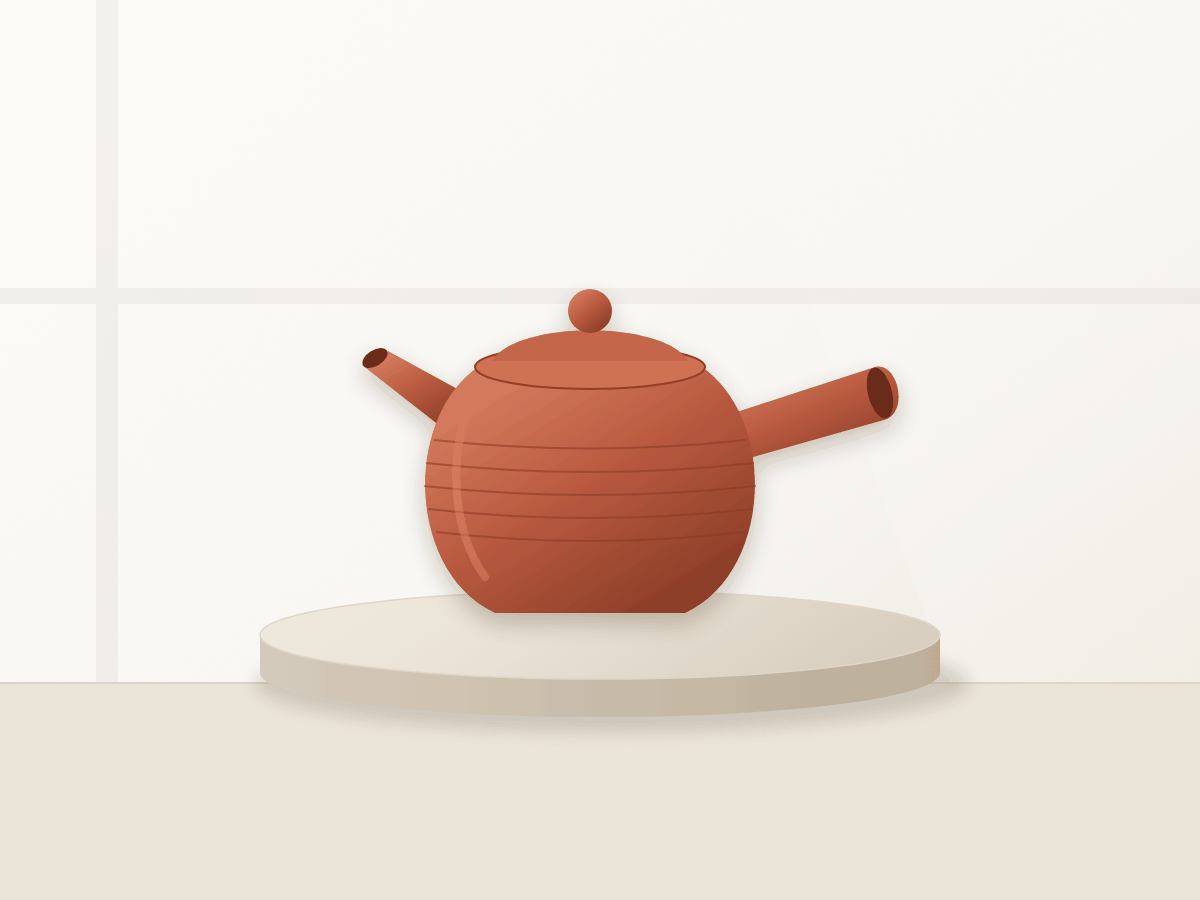
Tokoname Gyokko Yokode Kyusu (320ml)
Hand-thrown Japanese side-handle clay teapot with precision built-in mesh
Best For: Japanese sencha, gyokuro, kabusecha, and multi-infusion solo brewing
- Material
- Tokoname Kyusu Clay
- Capacity
- 320 ml (10.8 oz) (Solo (<400ml))
- Infuser Style
- Integrated Fine Ceramic Sasame / Stainless Collar Mesh
- Stovetop Safe
- No (Kettle-Fill Only; Never Place Over Direct Heat)
Price & availability are dynamic and subject to change on retailer listings.
Studio Evaluation
Clara Vance’s Pour & Craft Verdict
The gold standard of Japanese side-handle engineering—delivering an arresting laminar stream, natural umami smoothing, and effortless single-hand pouring.
Why It Stands Out
- True 10/10 laminar pour cuts cleanly on demand without a single stray drip
- Side-handle yokode ergonomics deliver pinpoint wrist rotation with zero strain
- Iron-rich Tokoname clay softly rounds sharp astringency in steamed green teas
Things to Consider
- Unglazed clay absorbs strong aromatics, best dedicated to green or light oolong teas
- Requires thorough air-drying between sessions to keep natural pores fresh
Laminar Pour Physics
Few vessels in tea culture approach the hydraulic poise of a well-thrown Tokoname yokode kyusu, and the Gyokko 320ml earns our highest pour rating. Because the hollow side handle sits perpendicular to the spout, your thumb stabilizes the lid knob while a light rotational flick of the forearm guides the stream. Water exits the tapered spout in a silent, glass-smooth arc and halts the millisecond you level your wrist—leaving not even a clinging bead along the upper rim. Even down to the last precious shizuku (“golden drop”) of a sencha steep, drainage remains swift and clean.
Strainer & Leaf Expansion Dynamics
Instead of confining leaves inside a narrow hanging metal cylinder, the Gyokko uses a wide, low-slung chamber paired with a built-in fine strainer wrapping the spout wall. Loose needles of steamed Japanese green tea spread freely across the broad floor, bathing evenly in the entire 320-milliliter water column. Because the strainer spans a wide horizontal curve, tiny broken fukamushi particles distribute across hundreds of open perforations rather than clogging a tiny bottleneck, keeping late-pour velocity brisk and clean.
Thermal Behavior
High-fired Tokoname stoneware balances brisk responsiveness with steady warmth. In solo steeping tests at 70 to 80 degrees Celsius—the sweet spot for Japanese greens—the moderately thick red clay retained roughly 85 percent of starting heat over two minutes while quickly radiating excess scalding intensity away from delicate shoots. That natural buffering protects sweet amino acids without turning leaves grassy or bitter. Consult our Teapot Materials Comparison to see how Tokoname stacks up against denser Yixing clay, and dial in exact seconds per steep with our Tea Steeping Timer.
Care & Pairing Recommendations
Unglazed Tokoname clay must never touch dish soap or scented detergents, which sink irreversibly into porous clay walls. Immediately after service, discard spent leaves, rinse under clean warm water, and leave the lid ajar on a breathable tray as recommended in our Complete Teapot Care Guide. Dedicate this vessel to vibrant first-flush sencha, kukicha, or shaded gyokuro, and discover more heirloom craft icons in our 25 Coolest & Most Unique Teapots.
Curated Picks
Care & Brewing Guides for This Vessel

11 min read
25 Coolest & Most Unique Teapots That Actually Pour Well
Our lab-tested guide to the 25 coolest and most unique teapots—combining sculptural glass, Japanese kyusu, and cast iron with laminar non-drip pouring.
10 min read
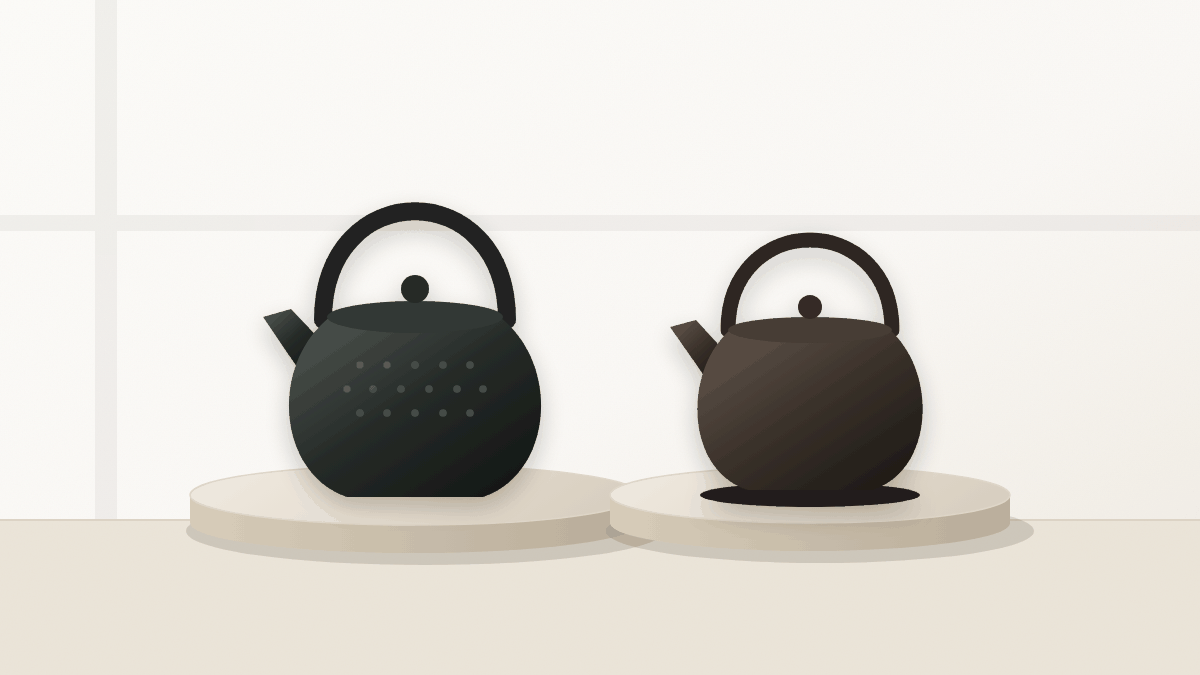
Best Japanese Cast Iron Teapots (Tetsubin) That Won't Rust
Hands-on comparison of the best Nanbu Tekki cast iron tetsubin and enamel-lined iron teapots—covering internal rust prevention, heat inertia, and safe daily use.

9 min read
Best Borosilicate Glass Teapots for Blooming Tea (Heat-Resistant Picks)
Compare the best borosilicate glass teapots for blooming tea and loose-leaf infusions—covering thermal shock safety, optical clarity, and spout cut-off.