
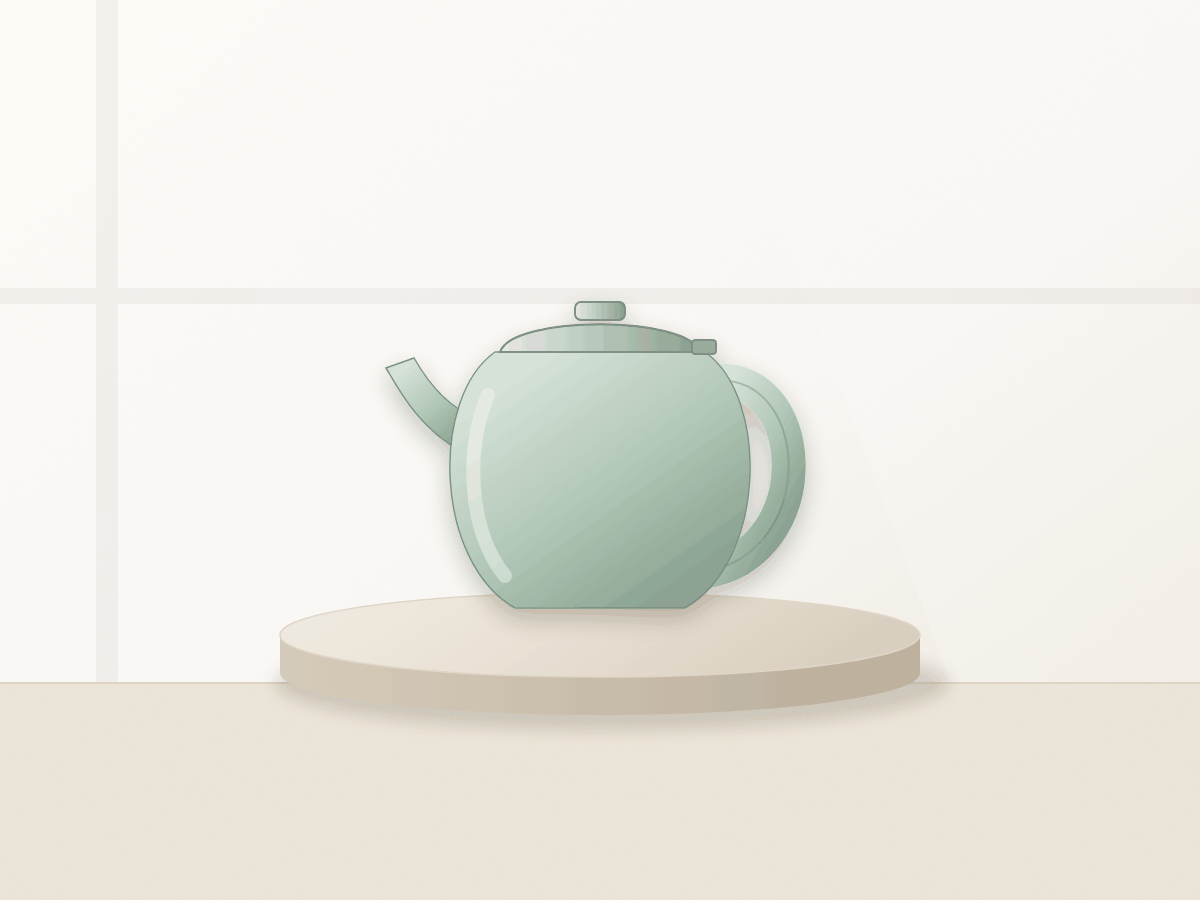
Zero Japan Universal Artisan Teapot (450ml)
Mino-ware glazed ceramic pot featuring a clever hinged stainless lid and crisp pour
Best For: All-purpose daily brewing across green, oolong, black, and herbal teas
- Material
- Ceramic & Stoneware
- Capacity
- 450 ml (15.2 oz) (Medium (400-750ml))
- Infuser Style
- Extra-Deep Stainless Steel Mesh Basket & Hinged Steel Lid
- Stovetop Safe
- No (Kettle-Fill Only; Stoneware Body Dishwasher Safe Without Metal Lid)
Price & availability are dynamic and subject to change on retailer listings.
Studio Evaluation
Clara Vance’s Pour & Craft Verdict
The quintessential everyday stoneware brewer: hygienic glazed versatility meets cafe-grade locking lid mechanics and 9.5/10 pour accuracy.
Why It Stands Out
- Clip-on hinged stainless lid stays locked securely during one-handed 90-degree pours
- Crisp glazed stoneware spout cuts the stream instantaneously without trailing drops
- Non-porous interior glaze switches freely between spiced chai and floral greens
Things to Consider
- Detachable steel lid hinge can collect dried tea mist if not popped off to dry
- 450ml capacity is tuned for one to two drinkers rather than full brunch tables
Laminar Pour Physics
Engineered in Japan’s historic Mino ceramic district, the Zero Japan Universal earned cafe cult status strictly on pour dependability. Its compact, tapered spout draws from high inside the glazed chamber and terminates in a razor-crisp glazed edge. Across full-speed and slow-trickle pours, the water stream tracks straight into narrow tasting cups with zero sideways splash or dribble down the ceramic chin. Even better, the removable brushed stainless steel lid clips securely into the rim slot, liberating your opposite hand rather than requiring a finger pressed over the lid while tilting.
Strainer & Leaf Expansion Dynamics
Inside the wide top aperture sits a deep, cylindrical stainless steel basket crafted with fine Japanese wire weave. The basket drops nearly to the stoneware floor, allowing a single 200-milliliter afternoon cup or a full 450-milliliter two-cup pot to hydrate leaves completely. Rolled ball oolongs and sprawling Darjeeling leaves receive solid vertical lift, while fine herbal blends stay neatly confined inside the basket walls. Popping the infuser out takes one clean motion, halting extraction before bitterness develops.
Thermal Behavior
Vitreous Mino stoneware sits in an ideal thermal middle ground between ultra-light glass and massive cast iron. Pre-rinsed with warm water, the 450-milliliter body held water within 5 degrees Celsius of starting temperature over a four-minute infusion—ample thermal endurance for Assam black teas and honey-aroma black blends without scorching greener cultivars. Because the interior carries a smooth, glass-hard food-safe glaze, flavor transfer between sessions is effectively zero. Explore how glazed stoneware compares to porous clay in our Teapot Materials Comparison, and monitor steep intervals cleanly with our Tea Steeping Timer.
Care & Pairing Recommendations
Routine upkeep takes less than a minute: unclip the stainless steel lid, lift out the basket, and rinse the glazed vessel under warm water. If dark tea residue builds inside the glaze after months of black tea service, a gentle baking-soda paste restores factory brightness as detailed in our Complete Teapot Care Guide. Pair this adaptable pot with Taiwanese Alishan oolong, genmaicha, or brisk breakfast blends, and inspect fellow everyday standouts in our 25 Coolest & Most Unique Teapots.
Material Science
Care & Brewing Guides for This Vessel
12 min read
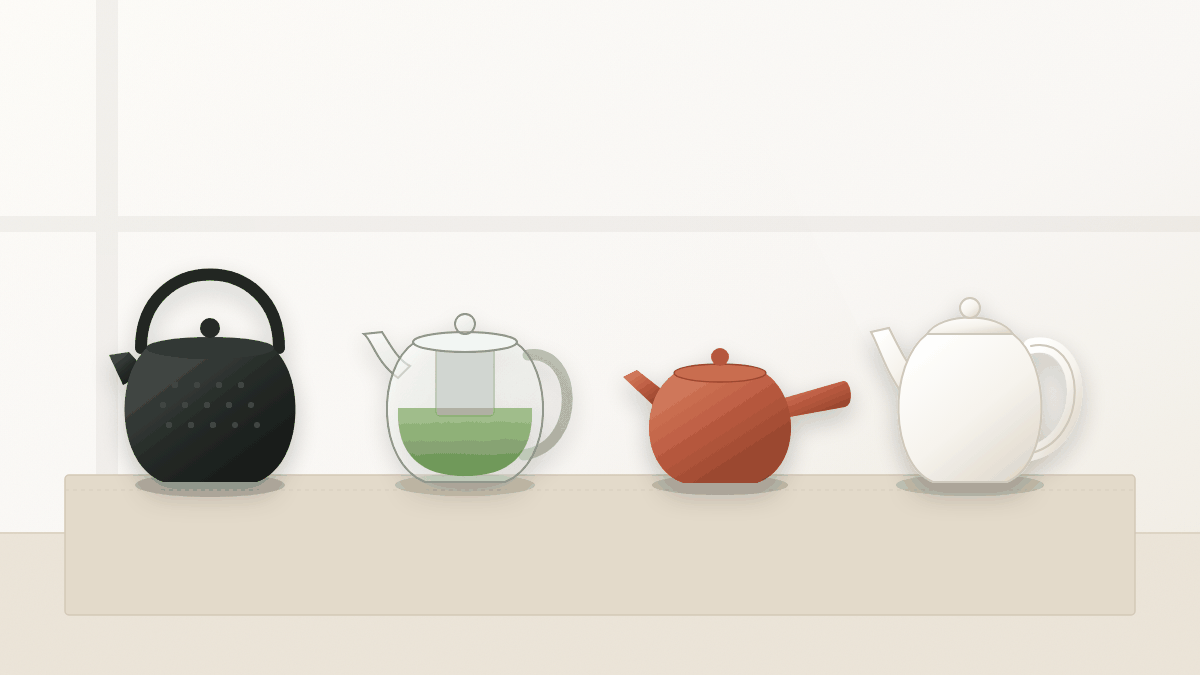
Cast Iron vs. Glass vs. Clay vs. Ceramic: Which Teapot Material Is Best?
Compare thermal conductivity, heat retention, mineral porosity, and tea-type pairing across cast iron, borosilicate glass, Zisha/Tokoname clay, and glazed porcelain.
9 min read
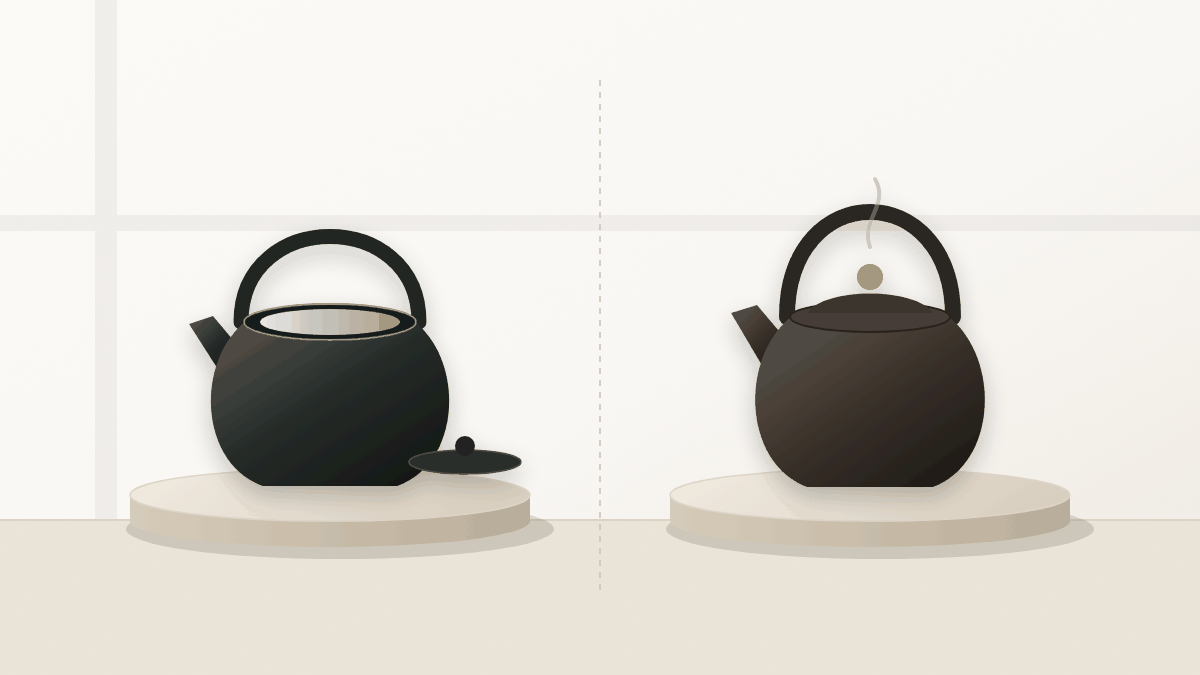
Enamel-Lined Cast Iron Teapot vs. Raw Tetsubin: Critical Differences
Never confuse a kettle with a teapot: learn the crucial differences in lining chemistry, stovetop safety, iron mineral release, and rust care between enamel-lined tetsubin kyusu and raw tetsubin.
10 min read
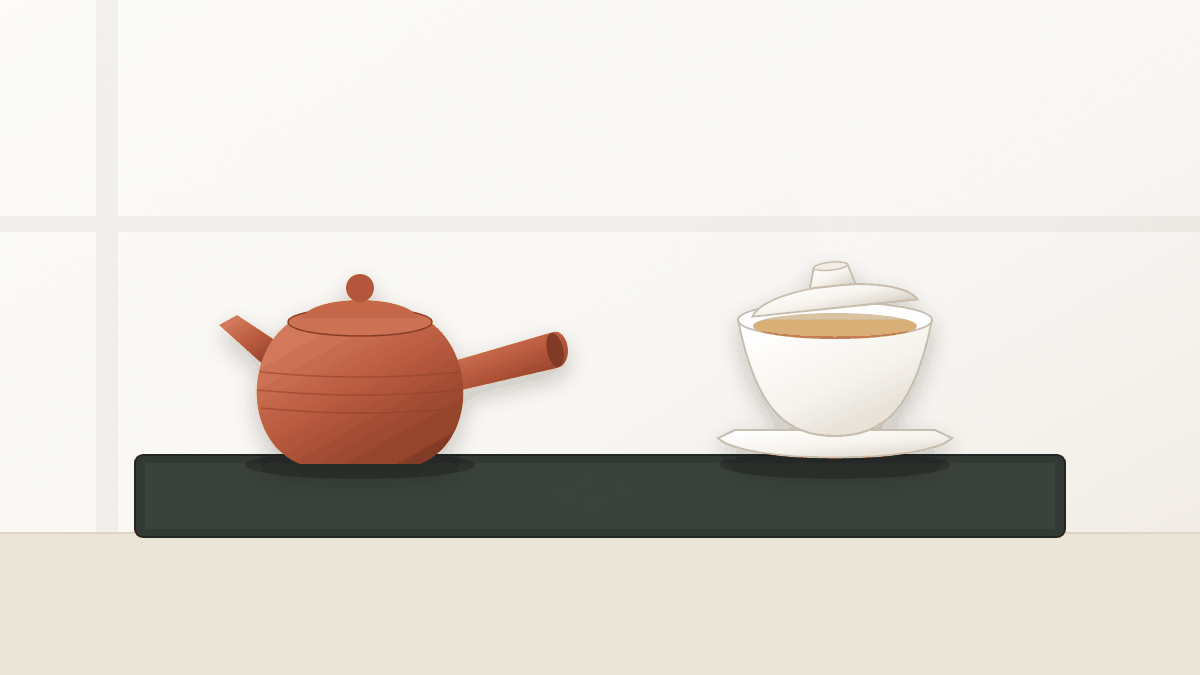
Kyusu vs. Gaiwan: Which Traditional Brewing Vessel Should You Choose?
Side-handle Japanese kyusu vs. lidded Chinese porcelain gaiwan: compare extraction speed, leaf geometry, thermal grip, and tea pairing to choose your daily vessel.